Dilution ventilation is not enough
The cheapest ventilation strategy is to blow fresh air into a shed and hope it dilutes the contaminant. It rarely works. By the time a fume or dust is diluted to a safe level by general ventilation, you have moved enormous volumes of air and the worker at the source is still overexposed.
Source capture — pulling the contaminant out at the point it is generated — uses a fraction of the air and protects the worker directly. It is the foundation of good industrial ventilation.
Sizing to ACGIH guidelines
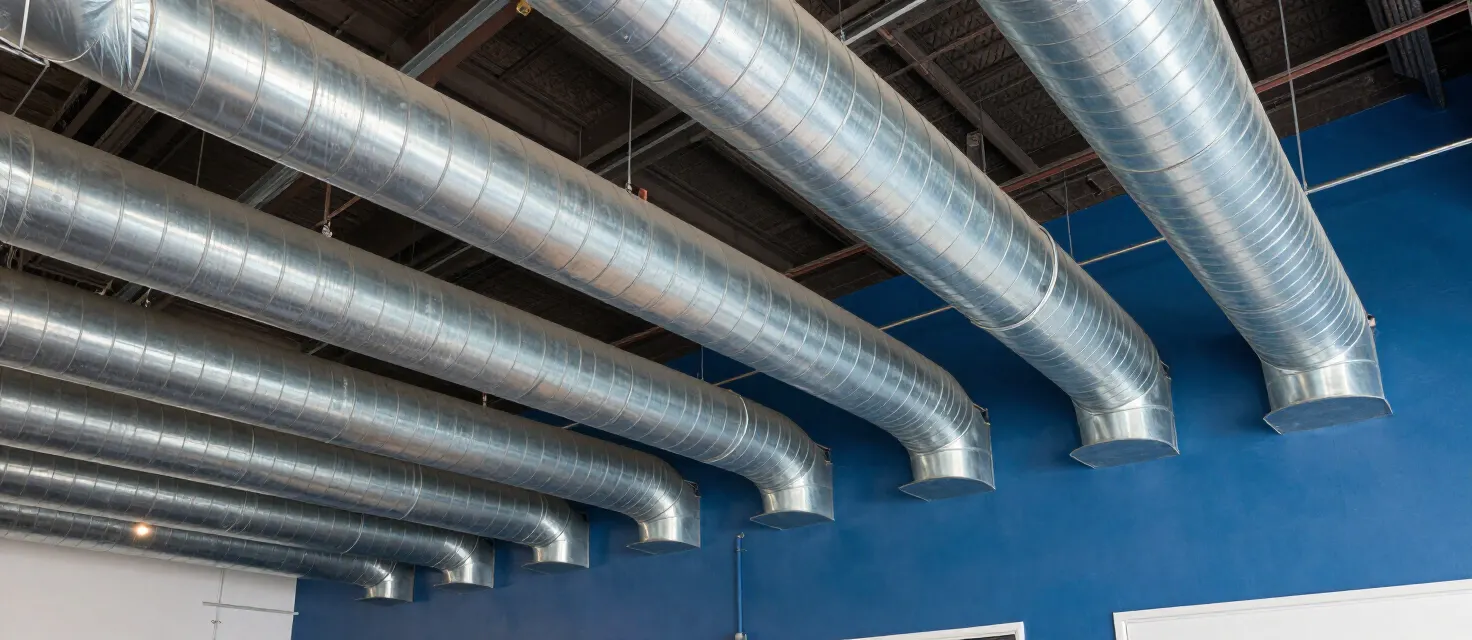
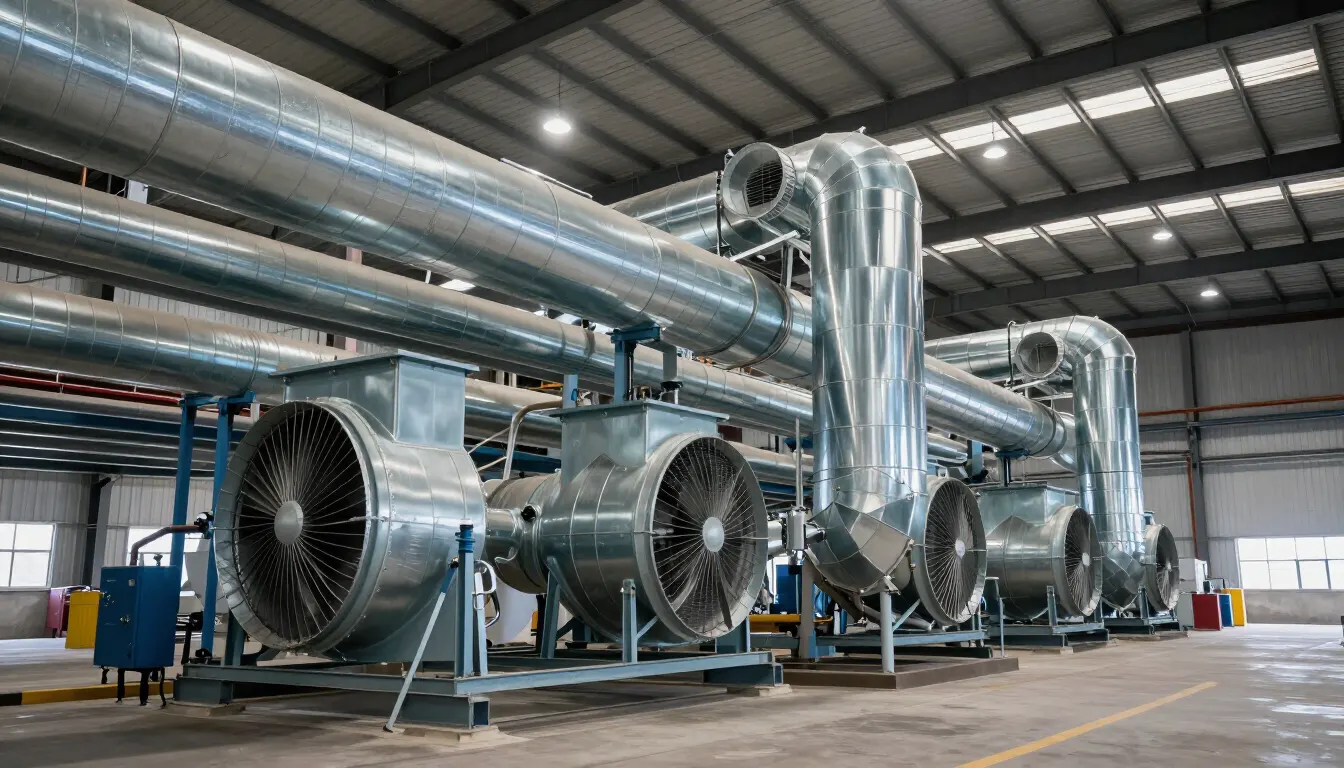
Capture velocity depends on the contaminant and how it is released. Welding fume, grinding dust and chemical vapour each need different hood geometry and airflow. We size hoods and duct systems to ACGIH industrial ventilation guidelines and ISHRAE standards, then balance the system so every hood pulls its design flow.
Make-up air: the other half of the system
Every cubic metre you exhaust has to be replaced, or the building goes negative, doors become hard to open, and unconditioned air infiltrates through every gap. A designed make-up air supply — tempered in summer so workers aren’t blasted with 45°C air — is what makes an exhaust system actually work.
Want this for your site?
Talk to a Head On Solutions engineer about your HVAC project — fixed pricing, ISHRAE-member crews, written warranty.