The problem with “good enough” filtration
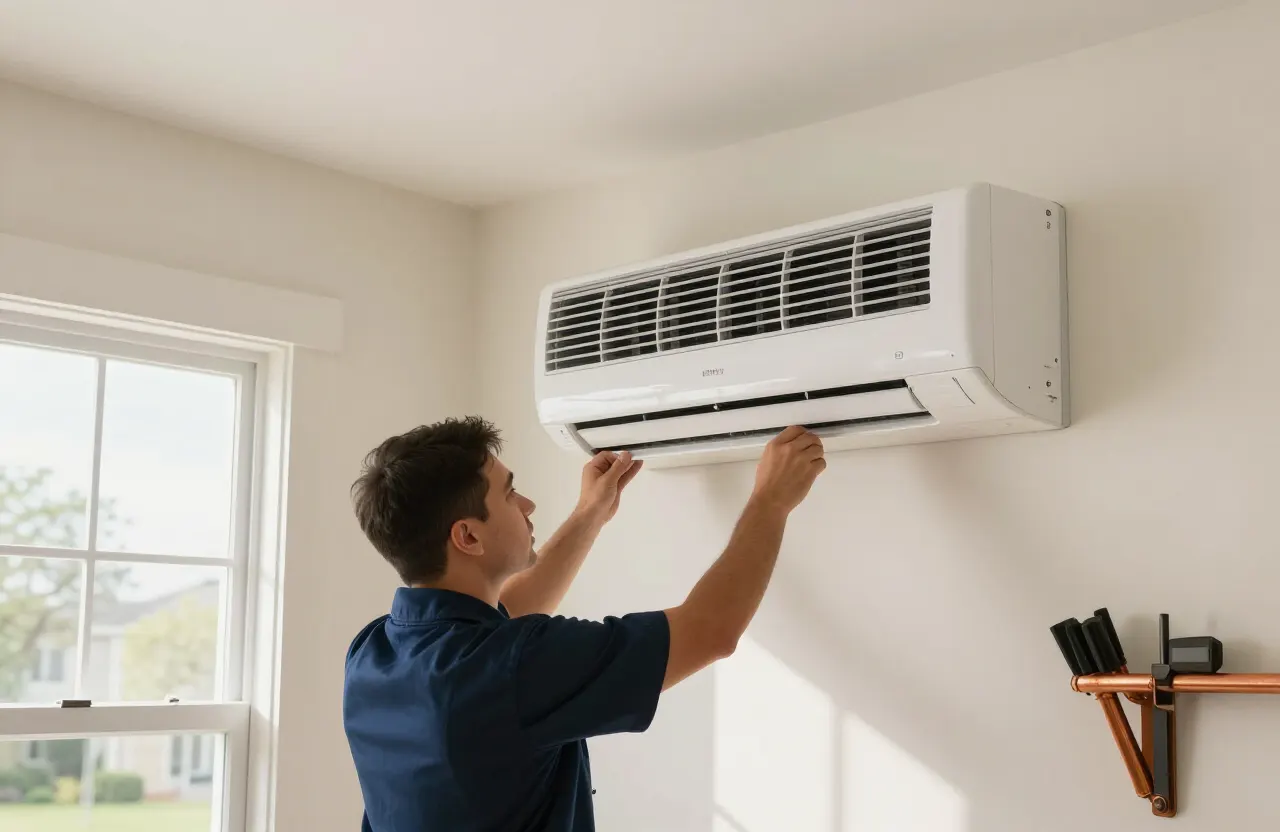
Most office HVAC ships with a basic washable or low-MERV filter that catches lint and protects the coil — but lets PM2.5 straight through. In Indian cities, that means the air your occupants breathe indoors is often nearly as polluted as the air outside.
Upgrading filtration is one of the highest-impact, lowest-cost changes you can make to an occupied building — but only if it is done as a system, not by dropping a thicker filter into an existing rack.
Filter selection and pressure drop
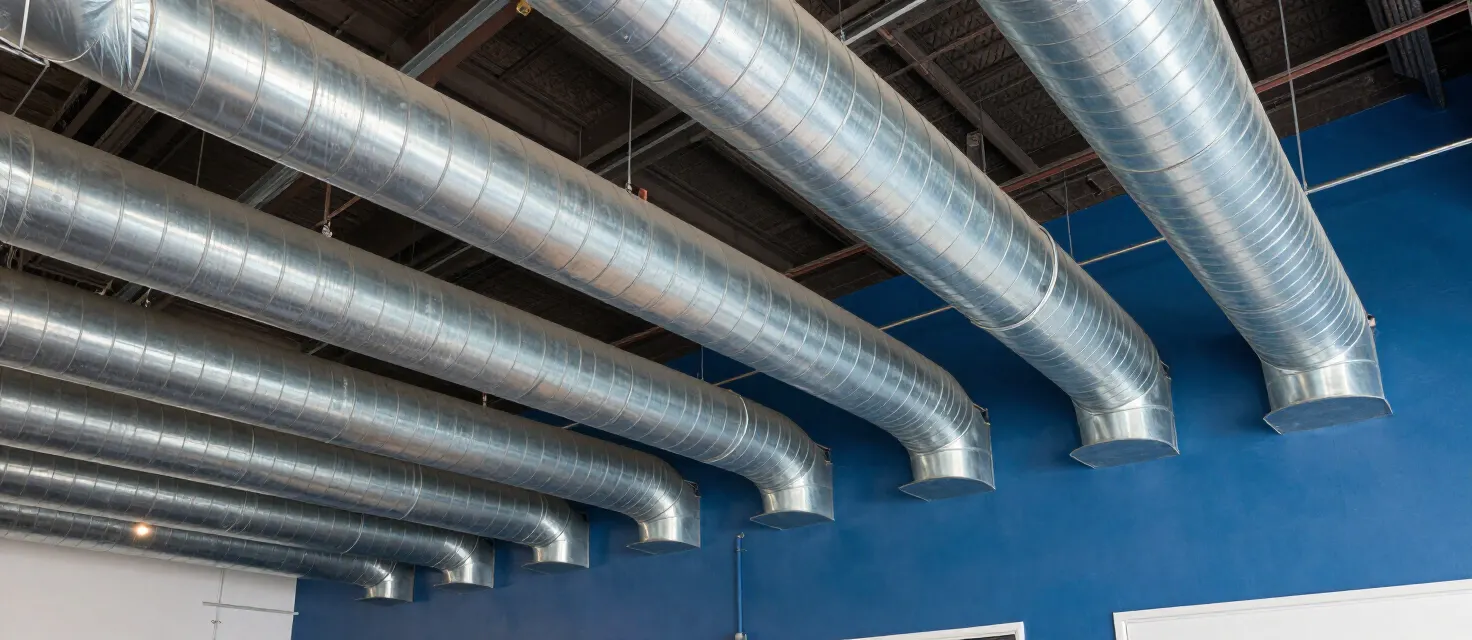
A higher-MERV or HEPA filter catches more, but it also adds pressure drop. If the fan and coil are not sized for it, airflow falls, cooling capacity drops, and the coil can freeze. The right approach is to select the filter for the target particle size, then verify the fan can deliver design airflow against the new pressure curve.
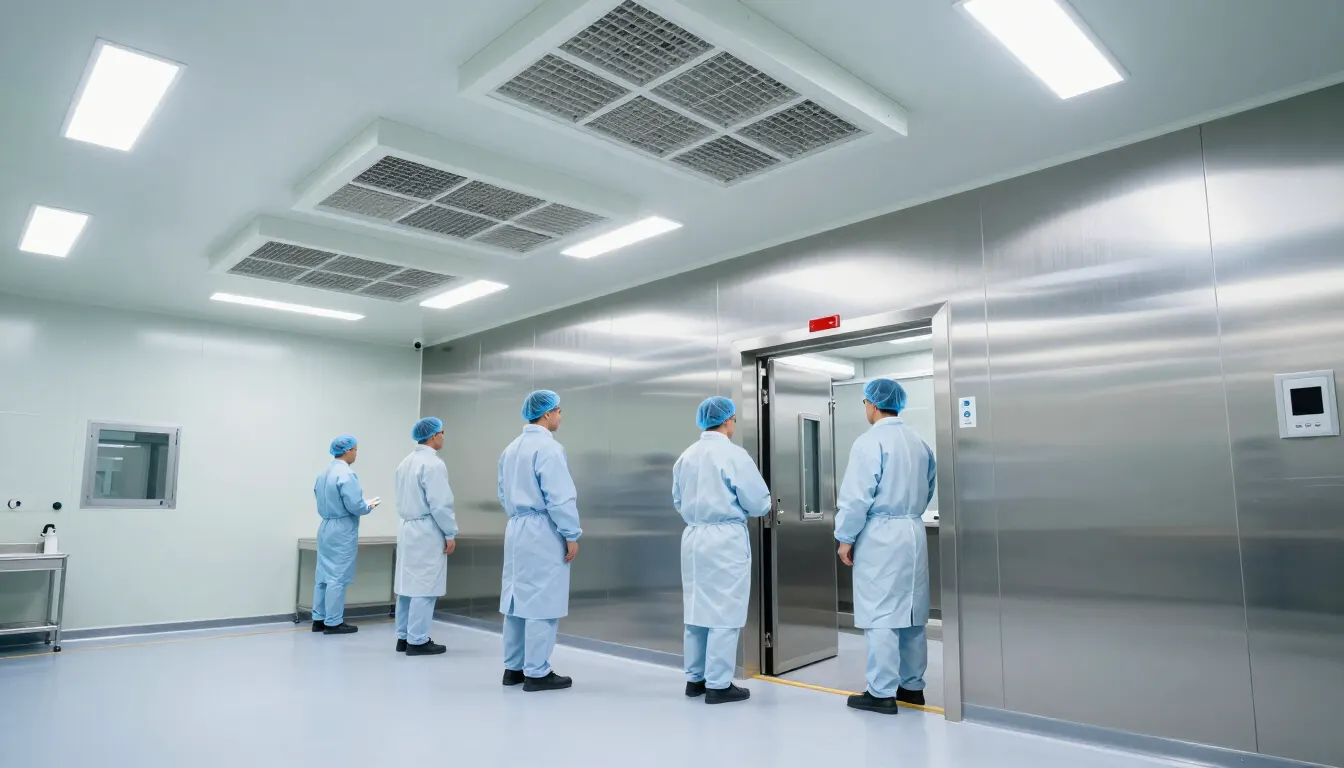
For most offices, MERV-13 is the sweet spot for PM2.5 reduction without a major fan upgrade; healthcare and cleanroom applications step up to HEPA.
Measure, then manage
Filtration without measurement is guesswork. We install PM, CO₂ and VOC sensors tied to a BMS dashboard so you can see the actual indoor air quality, prove it to occupants, and trigger filter changes on pressure drop rather than on a calendar guess.
Want this for your site?
Talk to a Head On Solutions engineer about your HVAC project — fixed pricing, ISHRAE-member crews, written warranty.